
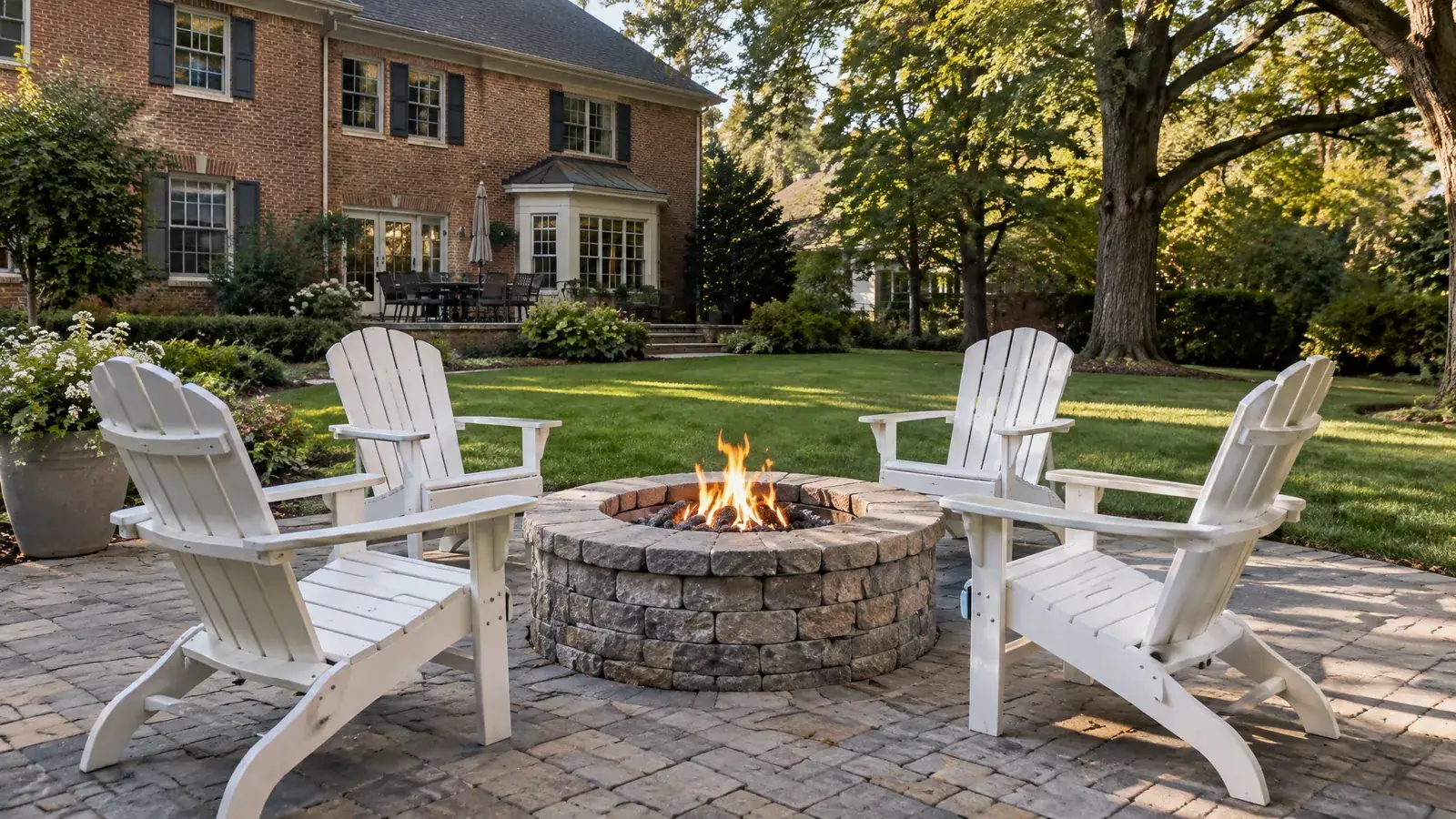
How a Paver Patio Project Works, Step by Step
A new patio is a big project for most families, and knowing what happens at each stage makes it much easier to plan. Here is how a typical paver patio project runs with Emerald Landscaping Corporation, from the first phone call to the final walkthrough.
1. First call or request
You call (301) 253-3239 or send the form with your address, a short description and, if you can, a photo of the area. We ask a few questions about size, how you want to use the space and your timing, then schedule a site visit.
2. Site visit
We measure the area, check the slope and where water goes, look at access to the back yard, and note anything that has to come out first, such as an old slab, a deck or a failing wall. We talk through layout, materials and your budget. If you live in a community with an HOA or in a historic district, we discuss what the approval will need.
3. Design and written estimate
You receive a written, itemized estimate that spells out the size, excavation depth, base, paver product and color, edging, drainage work, removal and cleanup. If the project includes seat walls, steps, a fire pit or lighting, each one is listed. There are no vague allowances, so you can see exactly what you are paying for. Our article on what affects the cost of a paver patio explains each line.
4. Approvals
For HOA communities we prepare the drawing and material details for your application. If the project needs a permit, for example for a retaining wall over the county limit, we handle the permit process. See HOA approval and permits in Montgomery County.
5. Scheduling and utility marking
Once you approve the estimate and any approvals are in, we schedule the start date. Before any digging, underground utilities are marked through Miss Utility, the call-before-you-dig service in Maryland.
6. Excavation and base
The crew removes old surfaces and digs out the area to the planned depth, hauling the soil away. The subgrade is shaped to slope away from the house. Crushed stone goes in and is compacted in lifts to build a firm base. This is the most important step for a patio that stays flat; we explain why in why pavers sink on Maryland clay.
7. Laying the pavers
A thin bedding layer is screeded smooth, then the pavers are laid in the chosen pattern and cut to fit the edges. Edge restraints lock the outside rows in place. Seat walls, steps and other features are built at this stage.
8. Joints and compaction
The surface is compacted, the joints are filled with polymeric sand, and the patio is compacted and swept again. The sand is then set with a light misting of water.
9. Cleanup and final walkthrough
We clean the site, haul away debris and walk the finished patio with you. You get care instructions, including how long to wait before heavy use and how to handle snow and ice.
How long does it take?
Most backyard patios take a few working days once work starts. Walls, steps, fire pits, drainage work and tight access add time, and rain can move the schedule. Spring is the busiest season, so planning in winter gives you the best choice of start dates.
Ready to plan your patio?
Send a few details and, if you can, a photo of the area. We schedule a site visit and give you a written, itemized quote. Emerald Landscaping Corporation has served Montgomery, Howard and Frederick counties since 1998 (MHIC No. 120316).
Get my quote or call (301) 253-3239
More guides
Practical reading before you start a project.

Why Pavers Sink on Maryland Clay, and How to Prevent It
Sunken and heaved pavers usually come from a thin base, poor compaction or water underneath. How clay soil causes it and how a patio should be built to last.
Read the guide →
How to Get HOA Approval for a Patio or Hardscape Project
What an HOA architectural committee usually asks for before a patio, walkway, driveway or wall, and how to prepare an application that gets approved.
Read the guide →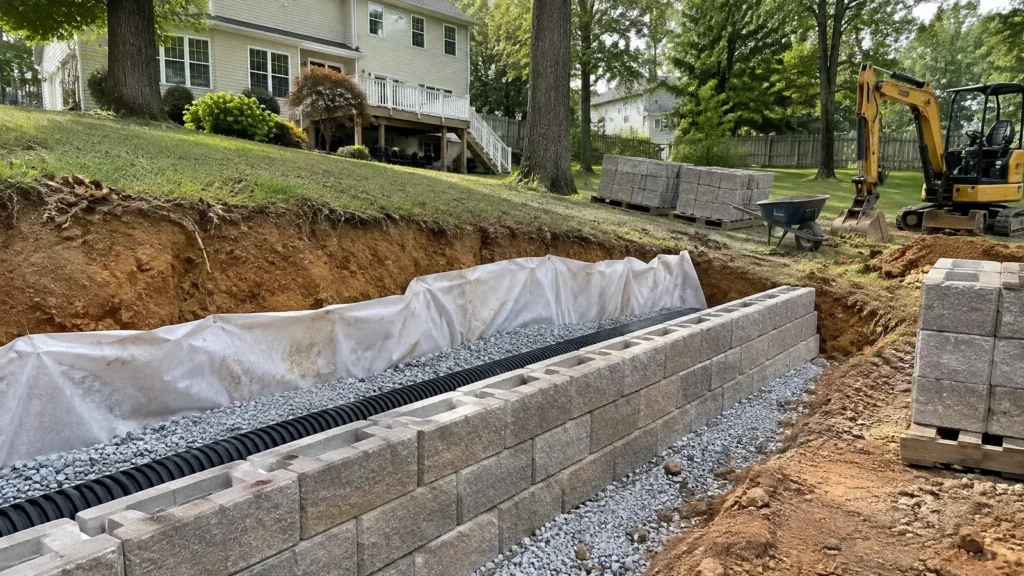
Do You Need a Permit for a Patio or Retaining Wall in Montgomery County, MD?
When a retaining wall, grading or a patio project needs a permit in Montgomery County, MD, and how cities like Rockville, Gaithersburg and Kensington differ.
Read the guide →